The Hamilton Effect: How One Show Changed Broadway Forever (And What's Next)
Hamilton's tenth anniversary approaches, and its influence shows no sign of fading. New generations discover the show through streaming, school programs, and touring productions.
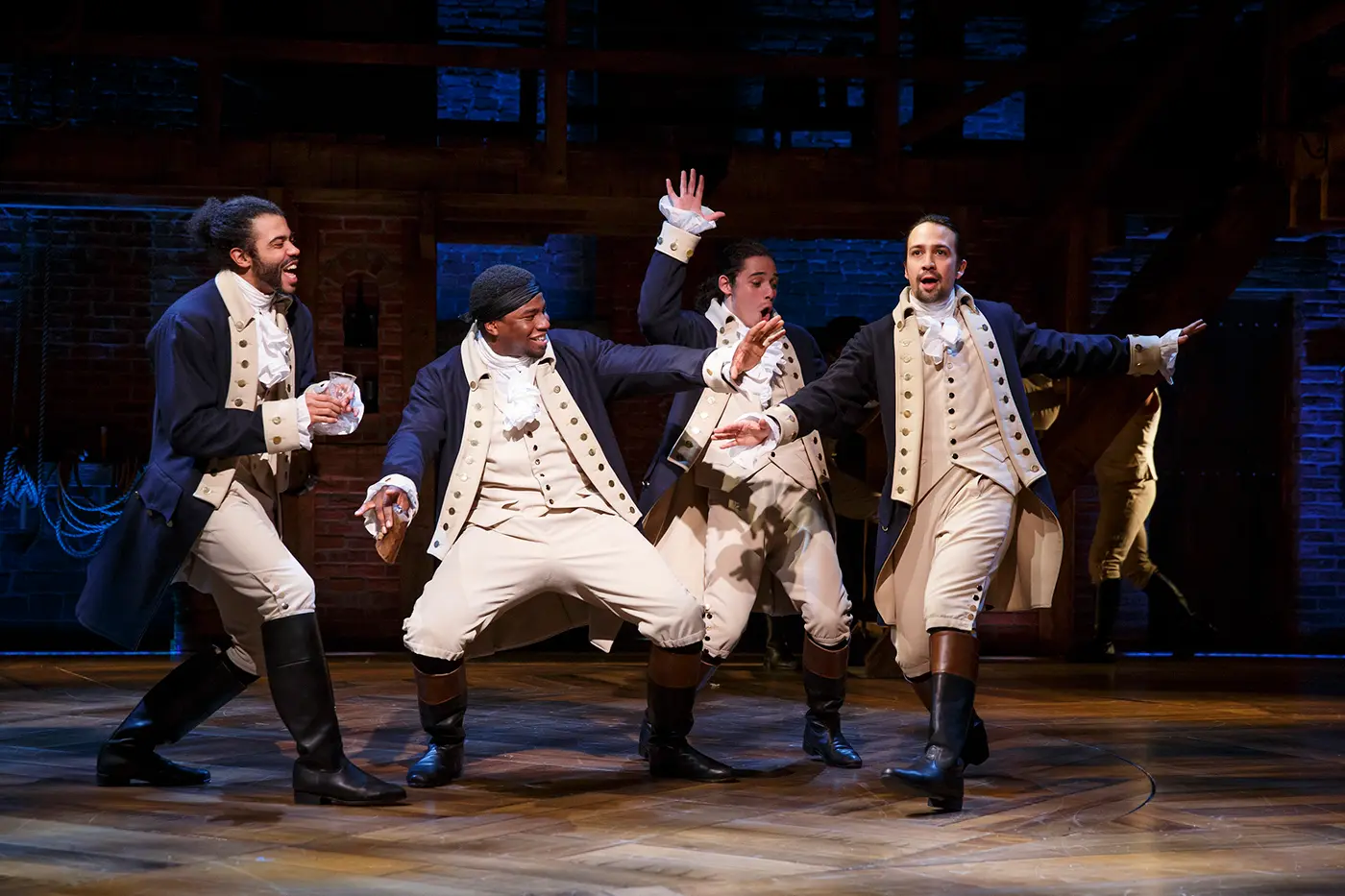
Nearly a decade after its debut, Hamilton remains the elephant in every Broadway theater. Lin-Manuel Miranda's revolutionary musical did not just become a hit. It rewrote the rules of the industry. From casting and storytelling to ticket pricing and audience demographics, Hamilton transformed Broadway in ways that are still unfolding in 2026.
This post analyzes how one show changed everything—and explores the productions trying to replicate, reject, or reimagine its blueprint today. Whether you are a theater superfan or a curious newcomer, understanding the Hamilton effect is key to understanding where Broadway has been and where it is going.
The Before and After
To appreciate Hamilton's impact, you have to remember what Broadway looked like before 2015.
Broadway pre-Hamilton:
Jukebox musicals dominated: Jersey Boys, Mamma Mia!, Rock of Ages.
Disney adaptations were safe bets: The Lion King, Aladdin, Frozen.
Revivals leaned on nostalgia: Anything Goes, Guys and Dolls, Chicago.
Historical narratives were traditional in form and casting.
Hip-hop was largely absent from the Great White Way.
Broadway post-Hamilton:
Hip-hop scores became viable: In the Heights revival, & Juliet, Some Like It Hot.
Diverse casting moved from exception to expectation.
Historical stories are told through modern lenses: Paradise Square, Kimberly Akimbo.
Younger, more diverse audiences began attending theater regularly.
Social media became essential to marketing and community building.
Hamilton proved that audiences would embrace complexity, density, and innovation. It showed that a musical about founding fathers could feel urgent, relevant, and revolutionary. That shift changed what producers were willing to greenlight and what writers felt empowered to create.
The Business Revolution
Hamilton did not just change art. It changed economics.
Dynamic pricing and the $1,000+ ticket:
Hamilton popularized dynamic pricing on Broadway, where ticket costs fluctuate based on demand. Prime seats for weekend performances can exceed $1,000 on the secondary market. While controversial, this model has been adopted by many subsequent hits, maximizing revenue for long-running shows.
The #Ham4Ham lottery:
The daily #Ham4Ham lottery, offering $10 front-row tickets, became a cultural phenomenon. Lines wrapped around blocks, and the ritual was broadcast on social media. This strategy democratized access while generating massive publicity. Many shows now replicate this model with digital lotteries through TodayTix and official apps.
Revenue beyond the theater:
Hamilton mastered the art of monetization beyond live performances. The original cast album topped charts. The Disney+ release brought the show to millions during the pandemic. Touring productions became global events. Merchandise, from hoodies to mugs, turned fans into brand ambassadors. Hamilton proved that a Broadway show could be a multimedia empire.
Cultural Impact
Hamilton's influence extends far beyond ticket sales.
Making theater cool for millennials and Gen Z:
Before Hamilton, theater was often perceived as elitist or outdated. Hamilton made it relevant. Its use of hip-hop, diverse casting, and contemporary language resonated with younger audiences who might never have considered buying a Broadway ticket. Social media amplified this effect, with fans quoting lyrics, creating fan art, and organizing group outings.
Classroom curricula:
The Gilder Lehrman Institute developed the Hamilton Education Program, bringing students to see the show and engage with primary sources from the founding era. Teachers across the country incorporated the cast album into history, music, and literature lessons. Hamilton became a pedagogical tool, proving that entertainment and education can coexist.
The casting conversation:
Hamilton's "America then, told by America now" approach sparked important debates about color-conscious versus colorblind casting. The show intentionally cast actors of color as white historical figures, reclaiming the narrative of American founding. This has influenced subsequent productions to think more deliberately about representation, though the industry still grapples with tokenism, equity, and authentic storytelling.
The Successors and Failures
Every hit inspires imitators. Hamilton's success led to a wave of shows attempting to replicate its formula.
Shows that tried:
In the Heights revival: Lin-Manuel Miranda's earlier work received renewed attention and a film adaptation, though it never reached Hamilton's commercial heights.
Six: This pop-concert musical about Henry VIII's wives uses contemporary music and feminist reframing, echoing Hamilton's approach to historical narrative.
Tina: The Tina Turner Musical and & Juliet: Jukebox musicals that incorporate pop catalogs with biographical storytelling, aiming for Hamilton's crossover appeal.
Why some succeeded and others flopped:
Success requires more than copying Hamilton's surface elements. Six succeeded because it found its own voice: irreverent, feminist, and sonically distinct. Shows that felt derivative or forced struggled to connect. Authenticity matters. Audiences can tell when a production is chasing a trend versus expressing a genuine vision.
The rise of pop concert musicals:
Hamilton blurred the line between musical theater and concert experience. This has inspired a wave of productions that prioritize musical performance over traditional book structure. While innovative, this trend raises questions about narrative depth and theatrical craft. Not every story benefits from a concert format.
What's Next for Broadway Storytelling
As Hamilton's influence matures, Broadway is exploring new directions.
Immersive theater:
The legacy of Sleep No More continues to inspire productions that break the fourth wall. Hamilton itself experimented with immersive elements in its #Ham4Ham performances. Future shows may integrate audience interaction more fully, creating personalized theatrical experiences.
Technology integration:
Projections, augmented reality, and AI-assisted design are becoming more sophisticated. Shows like The Illusionist and some Disney productions use technology to create magical effects. The challenge is ensuring that tech serves the story rather than overshadowing it.
Returns to intimacy post-pandemic:
After years of large-scale spectacles, there is growing interest in smaller, more personal stories. Plays and musicals with smaller casts and simpler staging are finding audiences. This shift may reflect a desire for connection after isolation, as well as economic practicality in a challenging industry landscape.
International imports versus homegrown stories:
Broadway has always balanced American originals with West End imports. Hamilton's success with a distinctly American story has encouraged producers to invest in homegrown narratives. However, global hits like Life of Pi and The Lehman Trilogy demonstrate that international stories can resonate deeply with New York audiences. The future likely holds a mix of both.
Voices from the Industry
We spoke with theater professionals about Hamilton's lasting impact.
Theater critics:
"Hamilton raised the bar in terms of ambition and craft," says one longtime Broadway critic. "But it also created impossible expectations. Not every show can be a cultural phenomenon, and that pressure can stifle risk-taking."
Young playwrights:
"Do I feel pressured to write the next Hamilton? Absolutely," admits an emerging writer. "But I am also inspired by the possibility that theater can be both popular and profound. The question is finding my own voice within that framework."
Actors of color:
"Hamilton opened doors, but the work is not done," shares a Broadway performer. "I am getting auditions I would not have gotten a decade ago. But I still see roles written without diversity in mind, and I still encounter tokenism. Progress is real, but incomplete."
These perspectives reveal a nuanced truth: Hamilton changed Broadway, but transformation is ongoing. The industry is still learning how to build on that foundation while honoring its own complexities.
The Legacy Continues
Hamilton's tenth anniversary approaches, and its influence shows no sign of fading. New generations discover the show through streaming, school programs, and touring productions. Its songs remain part of the cultural lexicon. Its innovations continue to shape what gets produced.
But the ultimate testament to Hamilton's impact may be this: it made Broadway feel alive again. It reminded audiences that theater can be urgent, inclusive, and transformative. It challenged creators to aim higher and audiences to expect more.
As Broadway looks to the future, the question is not whether the next Hamilton will come. It is whether the industry can sustain the energy, innovation, and inclusivity that Hamilton ignited.
The revolution is not over. It is evolving.
What do you think is the next Hamilton? Is there a show currently on Broadway that could have the same cultural impact?
The Best of NYC,
Delivered.
Join our weekly briefing for curated nightlife, underground events, and dining recommendations before they sell out.
We respect your inbox. Unsubscribe anytime.