The TKTS Ticket Guide: How to See Broadway for Less (Without the Stress)
This guide is more than a list of tips. It is an evergreen, highly practical resource that readers will bookmark and return to.
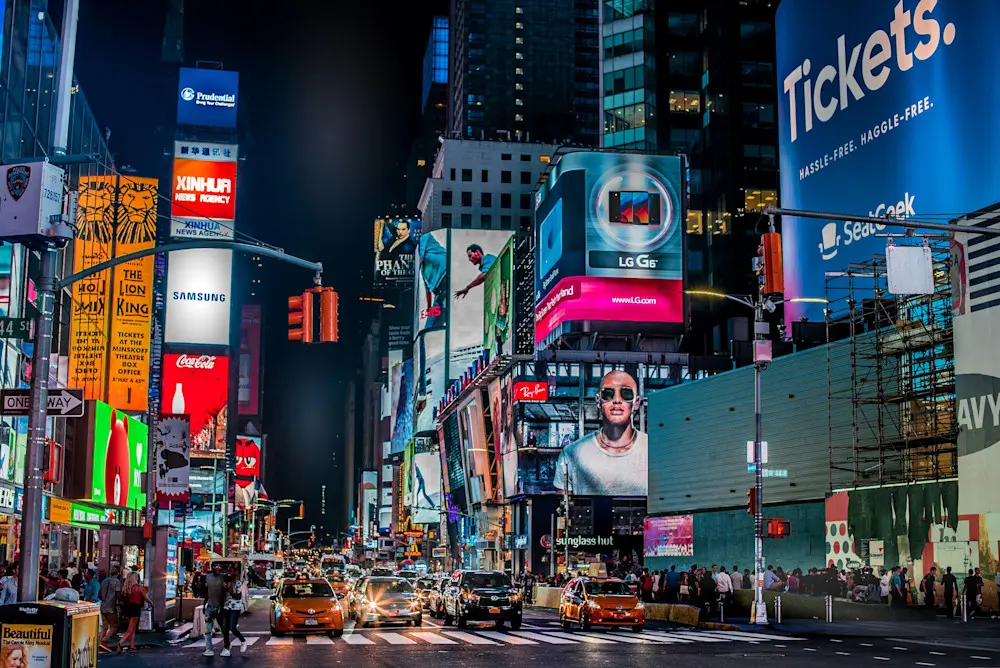
Broadway tickets can cost more than a plane ticket, but they do not have to. In 2026, discount strategies have evolved beyond the iconic red steps. From digital lotteries to virtual rush queues and secret promo codes, there are more ways than ever to see world-class theater without breaking the bank.
This comprehensive guide demystifies every discount strategy available right now. Whether you are a local looking for a spontaneous night out or a visitor planning your first Broadway experience, this is your ultimate resource for budget-savvy culture lovers who refuse to miss out.
TKTS Booths Explained
The TKTS booths remain the most visible way to save on Broadway tickets. Here is how to make them work for you.
Locations:
Times Square: The flagship booth under the red steps at 47th Street and Broadway. Largest selection but longest lines.
Lincoln Center: 61st Street and Broadway. Smaller crowds, convenient for Upper West Side visitors.
Downtown Brooklyn: MetroTech Center. Best for shows playing at BAM or when staying in Brooklyn.
How it works:
TKTS offers same-day discounts of 20 to 50 percent off face value. Tickets are for performances that day or, at some locations, next-day matinees. Payment methods include cash, credit cards, and mobile payments. The TodayTix app now integrates with TKTS, allowing you to browse available shows and purchase mobile tickets in advance for select performances.
Best times to go:
Weekday afternoons (2 PM to 4 PM): Shorter lines, good selection for evening shows.
Tuesday and Wednesday matinees: Less competition than weekends.
Avoid: Saturday mornings and holiday weekends, when lines can exceed two hours.
What shows are available:
Not every show participates. Long-running hits like The Lion King or Hamilton rarely appear because they do not need to discount. However, newer shows trying to build momentum, plays with shorter runs, and musicals in competitive seasons often offer strong discounts. Check the TKTS app or website for real-time availability.
Pro tip: Have backup choices. If your first pick is sold out, you will want alternatives ready.
Digital Lotteries
Digital lotteries have revolutionized access to premium shows. For a chance at $30 to $50 tickets to sold-out productions, all you need is a smartphone and a little luck.
How they work:
Enter online through official show websites or apps like TodayTix. Entries typically open 24 to 48 hours before the performance. Winners are notified via email or app notification and have a limited window to purchase tickets.
Best lotteries right now:
Hamilton: The gold standard. $10 tickets via the Hamilton app.
Wicked: $39 lottery tickets through TodayTix.
The Lion King: Family-friendly lottery with decent odds.
Hadestown, Moulin Rouge!, and Six: Regularly offer digital lotteries with attractive pricing.
Odds of winning:
Realistic expectations matter. Popular shows may have thousands of entries for 20 to 40 tickets. Your odds improve for weekday performances, less hyped shows, and when entering multiple lotteries.
Apps to use:
TodayTix: Aggregates lotteries for dozens of shows in one place.
LuckySeat: Another reliable platform for entry.
Official show websites: Sometimes offer exclusive lottery access not available elsewhere.
Tips for increasing your chances:
Enter multiple shows to diversify your odds.
Be flexible with dates and times; weekday matinees have fewer entrants.
Set reminders for entry windows so you do not miss deadlines.
Create accounts in advance with payment info saved for faster checkout if you win.
Rush Tickets
Rush tickets are the original discount strategy, and they remain one of the most reliable ways to save.
In-person rush:
Arrive at the box office when it opens, typically 10 AM or noon. Request rush tickets for that day's performance. Prices range from $25 to $50. Bring cash and ID, and be prepared to wait. Some shows limit rush tickets to two per person.
Virtual rush:
Many shows now offer online rush queues that open at specific times, often 9 AM or 10 AM. You join a digital line and purchase tickets if available. This eliminates the need to physically queue but requires punctuality and fast fingers.
Demographic discounts:
Student rush: Valid student ID required; discounts vary by show.
Under-30 rush: Programs like TDF's Youth Pass or show-specific initiatives offer reduced pricing for young adults.
Senior discounts: Available at many box offices for patrons 65 and older.
Which shows offer the best rush deals:
New plays and lesser-known musicals often have the most generous rush policies. Hits may offer rush but with limited availability. Check each show's website for current policies, as they can change based on demand.
Discount Codes and Promotions
Beyond lotteries and rush, discount codes can unlock savings on full-price tickets.
Where to find them:
Theater Mania: Regularly publishes promo codes for select shows.
BroadwayBox: A reliable source for discount codes updated weekly.
Goldstar: Offers discounted tickets to members, sometimes for Broadway shows.
Email newsletters: Signing up for show or theater newsletters often yields exclusive offers.
Membership discounts:
AMC Stubs, Costco, and AAA sometimes offer Broadway ticket discounts.
Union memberships (SAG-AFTRA, Equity) may provide access to special rates.
Credit card perks: Amex, Chase, and Citi occasionally offer presales or discounts for cardholders.
Group sales and last-minute deals:
Groups of 10 or more can often access discounted rates by contacting the theater directly. Last-minute deals may appear on the day of performance if the show has not sold out, though this is risky for popular productions.
The ethics of resale sites:
Platforms like StubHub and Vivid Seats offer tickets above face value, often at significant markups. While convenient, they contribute to pricing inflation. Face-value exchanges like the Broadway League's official resale platform or show-specific exchanges are more ethical options, ensuring that profits go back to the production rather than scalpers.
Timing Strategies
When you buy matters as much as how you buy.
Best months to buy:
January through March: Post-holiday slump means more discounts and fewer crowds.
September and October: New seasons launch, and shows may offer promotions to build buzz.
Avoid: November and December, when holiday demand drives prices up.
Midweek vs. weekend pricing:
Tuesday through Thursday evenings and Wednesday matinees are typically cheaper than Friday nights and weekends. If your schedule allows, target midweek performances for better deals.
Matinee vs. evening shows:
Matinees often have more discount availability, especially for TKTS and rush. Evening shows are in higher demand but may offer better lottery odds for weekday performances.
Preview period discounts:
Shows in preview (before official opening night) sometimes offer lower prices to attract early audiences. However, once a show opens and receives positive reviews, prices often increase. If you are flexible and curious about the development process, preview periods can be a smart time to attend.
Seat Selection Hacks
Saving money on tickets is one thing; getting a good seat is another. Here is how to maximize your view without overspending.
When to splurge on orchestra vs. when mezzanine is fine:
Orchestra: Best for immersive experiences, musicals with detailed choreography, or if you want to see actors' expressions clearly.
Front mezzanine: Often the sweet spot for value. You get a full view of the stage, excellent sightlines for large productions, and lower prices than orchestra.
Rear mezzanine and balcony: Budget-friendly but may require binoculars for detail. Fine for plot-driven plays or if you prioritize being in the room over seeing every facial expression.
Understanding sightline issues:
Many theaters have obstructed view seats marked as such. These are discounted but may have partial obstructions from railings, columns, or overhangs. Always check the warning before purchasing.
Apps and websites with seat views:
A View From My Seat: User-uploaded photos from specific seats in Broadway theaters.
SeatGeek and StubHub: Often include seat maps with view ratings.
Theater websites: Some provide interactive seat maps showing potential obstructions.
Pro tip: If you are unsure, call the box office. Staff can often advise on which seats to avoid for a particular production.
The Premium Question
Sometimes, paying full price is the right choice. Here is when and why.
When is it worth paying full price?
For once-in-a-lifetime productions or limited engagements.
When you want specific seats (center orchestra, front mezzanine) for a special occasion.
If the show is selling out and discounts are unlikely.
Shows that rarely discount (and why):
Hamilton, Wicked, The Lion King: These evergreen hits maintain demand without promotions.
New shows with critical acclaim: Positive reviews create scarcity, reducing the need for discounts.
Star-driven productions: Celebrity casts drive sales regardless of price.
The psychology of scarcity marketing:
Producers understand that perceived exclusivity increases value. Limited discount availability creates urgency. Recognizing this tactic helps you make informed decisions rather than emotional ones.
Real Budget Breakdown
Let us make this practical. Here are two sample scenarios.
Scenario 1: I have $100 for two people
Tickets: TKTS or lottery for $30 to $40 per person = $60 to $80 total.
Transportation: Subway round-trip = $6.
Food: Pre-theater pizza or casual dining = $25 to $30.
Merchandise: Skip or share one program = $5.
Total: Approximately $95 to $120. Adjust by choosing a cheaper meal or skipping merchandise to stay under $100.
Scenario 2: I have $300 for a special night
Tickets: Orchestra or front mezzanine at face value = $150 to $200 for two.
Transportation: Taxi or ride-share = $20 to $30.
Food: Pre-theater dinner at a classic Broadway restaurant = $80 to $100.
Merchandise: Programs, cast recording, or souvenirs = $20 to $30.
Total: Approximately $270 to $360. Adjust seat selection or dining choice to fit budget.
Include a buffer for unexpected costs. Broadway nights often inspire spontaneous spending.
Why This Matters
This guide is more than a list of tips. It is an evergreen, highly practical resource that readers will bookmark and return to. In an era where cultural experiences can feel increasingly exclusive, providing accessible pathways to Broadway builds trust and positions this publication as a helpful insider.
Seeing live theater should not be a luxury reserved for the few. With the right strategies, anyone can experience the magic of Broadway without financial stress. Save this guide. Share it with friends. And go see a show.
The Best of NYC,
Delivered.
Join our weekly briefing for curated nightlife, underground events, and dining recommendations before they sell out.
We respect your inbox. Unsubscribe anytime.