Theaters as Time Capsules: Exploring Broadway's Historic Houses
Broadway's historic theaters are more than venues. They are cultural artifacts, architectural treasures, and community anchors. They connect us to the past while hosting the art of the present.
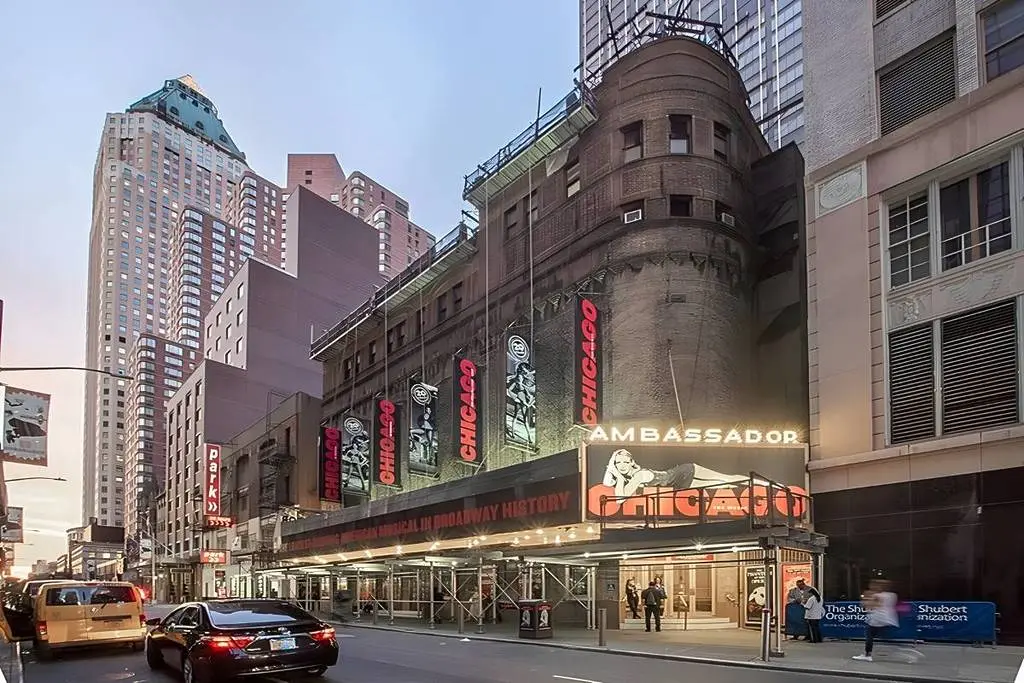
Broadway is not just about the shows. It is about the buildings themselves. New York's 41 Broadway theaters are architectural treasures, each with its own ghost stories, design quirks, and historical significance. These spaces have witnessed over a century of dreams, dramas, and standing ovations.
This post is a love letter to these historic houses. From Beaux-Arts splendor to Art Deco elegance, from haunted stages to hidden speakeasies, we guide you through the most beautiful and historically important theaters on the Great White Way. Because when you step inside these walls, you are not just attending a show. You are stepping into history.
The Architecture of Dreams
Broadway theaters are a living museum of architectural styles. Each era left its mark on the Great White Way.
Beaux-Arts splendor defines the New Amsterdam Theatre, built in 1903 and restored by Disney in the 1990s. The facade features ornate terra cotta details, while the interior boasts soaring ceilings, gold leaf, and a rooftop garden that once hosted lavish parties. It is a masterpiece of theatrical design.
Art Deco elegance shines in the Broadhurst and Shubert Theatre, both designed by Herbert J. Krapp in the early 20th century. Clean lines, geometric patterns, and elegant plasterwork characterize these spaces. They represent the transition from ornate Victorian styles to modern sophistication.
Atmospheric theaters like the Winter Garden transport you to another world. The Winter Garden features a revolving stage, a rarity when it was installed, and a design that evokes a garden courtyard. The architecture itself becomes part of the performance.
Size matters in theater design. The Hayes Theater, with just 597 seats, is Broadway's smallest house, offering an intimate experience where every expression is visible. The Gershwin Theater, with 1,933 seats, is the largest, designed to accommodate spectacular productions like Wicked with grand sets and large casts.
Historic Highlights
Some theaters have earned their place in history through longevity, iconic productions, or cultural significance.
The Lyceum, built in 1903, holds the distinction of being Broadway's oldest continuously operating theater. It was the first Broadway theater to be designated a New York City landmark. Its elegant Beaux-Arts design and intimate atmosphere have hosted everything from Shakespeare to modern dramas.
The Majestic Theatre opened in 1927 and became synonymous with one show: The Phantom of the Opera. For 35 years, from 1988 to 2023, the Majestic was home to the longest-running show in Broadway history. The theater's grand staircase and ornate interior were the perfect setting for the Phantom's lair.
The St. James Theatre, known as "The Cathedral of the American Theater," has hosted legendary performers from Judy Garland to Julie Andrews. Its 1927 design features a soaring proscenium and elegant decor that has welcomed generations of theatergoers.
The Apollo Theater, while not technically on Broadway, is essential to New York performance history. Located in Harlem, it opened in 1934 and became the launching pad for countless African American artists. Its Amateur Night remains a cultural institution, and its influence on American music and theater cannot be overstated.
Ghost Stories and Legends
Broadway theaters are old, and old buildings accumulate stories. Many theaters are said to be haunted by the spirits of performers past.
The Majestic Theatre is rumored to be home to a phantom of its own, separate from the musical's character. Stagehands report seeing a figure in evening wear wandering the wings, and unexplained sounds echo through the empty theater after hours.
John Barrymore's spirit is said to haunt the Shubert Theatre, where he performed in the 1920s. The legendary actor was known for his intense dedication to his craft, and some claim his presence still lingers in the dressing rooms and backstage areas.
Superstitions run deep in theater culture. Actors never whistle backstage, a tradition dating to when stagehands were sailors hired for their rope skills. Whistling was their communication method, and an accidental whistle could cue a scene change at the wrong time. Now, it is considered bad luck.
The ghost light tradition serves both practical and superstitious purposes. A single bulb left burning on stage overnight prevents accidents and, according to legend, wards off ghosts. Some say the light helps spirits see so they do not trip, while others believe it keeps them at bay. Either way, the tradition persists in theaters across Broadway.
Design Details to Notice
Next time you attend a show, look beyond the stage. The theaters themselves are works of art.
Ornate ceilings and chandeliers deserve your attention. Look up before the lights dim. Many theaters feature hand-painted murals, intricate plasterwork, and crystal chandeliers that would be at home in a palace. The New Amsterdam's ceiling is particularly spectacular, with gold leaf and celestial motifs.
Original plasterwork and gold leaf have been painstakingly restored in many houses. The Lyceum and New Amsterdam underwent major restorations that revealed layers of history hidden under decades of paint and neglect. The attention to detail is remarkable.
Hidden speakeasies and private clubs exist inside some theaters. The New Amsterdam's rooftop garden was a Prohibition-era hotspot. Some theaters still maintain private lounges for patrons and performers, accessible through unmarked doors.
The evolution of seating comfort tells the story of theatergoing itself. Early theaters featured hard wooden benches. By the early 20th century, cushioned seats became standard. Modern renovations have added legroom and accessibility features while preserving historic character.
Theaters That Are Gone
Not all Broadway theaters survived. Over 70 houses have been demolished or converted, lost to development, fire, or changing times.
What replaced them is often disappointing. Parking garages, office towers, and chain stores now stand where legendary performances once took place. The Empire Theatre, the original Metropolitan Opera House, and countless others exist only in photographs and playbills.
The preservation movement that saved what remains deserves credit. In the 1980s, developers threatened to demolish several historic theaters. Advocates fought back, securing landmark status for many houses. The restoration of the New Amsterdam by Disney in the 1990s proved that historic preservation and commercial success could coexist.
These losses remind us that the theaters we have today are precious. They are survivors, and they deserve our protection and appreciation.
Behind the Scenes
Maintaining a 100-year-old theater is a constant challenge. These buildings require specialized care and expertise.
Restoration is an ongoing process. House managers and maintenance staff work year-round to preserve plasterwork, repair seating, and update systems without compromising historic integrity. It is a delicate balance between preservation and functionality.
The house manager and front-of-house staff are the guardians of the theater experience. They manage everything from ticket scanning to emergency procedures, ensuring that every performance runs smoothly. Their knowledge of the building's quirks and history is invaluable.
Accessibility upgrades have transformed historic theaters. Elevators, assistive listening devices, and wheelchair seating have been added to many houses, though challenges remain in buildings not designed with modern accessibility standards in mind. Progress continues, but slowly.
Sustainability initiatives are emerging in historic buildings. Energy-efficient lighting, HVAC upgrades, and waste reduction programs are being implemented while respecting the architecture. Theaters are learning to reduce their environmental footprint without sacrificing their historic character.
Self-Guided Theater Tour
You do not need a ticket to appreciate Broadway's architecture. A walking tour through the Theater District reveals the beauty of these facades.
The route: Start at 41st Street and work your way north to 54th Street, focusing on Broadway and 8th Avenue. This corridor contains the majority of Broadway houses.
Best photo ops:
Exterior facades in the late afternoon light
Marquee lights at dusk, when they first illuminate
The New Amsterdam's ornate entrance on 42nd Street
The Shubert Alley archway between 44th and 45th Streets
The Gershwin's modern facade contrasting with older houses
Pre-theater dining: Many historic houses are surrounded by classic restaurants that have served theatergoers for decades. Sardi's on 44th Street has been a pre-show institution since 1921. Carmine's on 44th Street offers family-style Italian near several theaters.
Behind the scenes tours: Some theaters offer guided tours when not in performance. The New Amsterdam and Lyceum occasionally open their doors for architectural tours. Check with the theaters directly or visit the Broadway League website for schedules.
The Future of These Spaces
Can 100-year-old buildings survive the challenges of the 21st century? The answer is uncertain, but the stakes are high.
Climate change poses real threats. Rising temperatures strain aging HVAC systems. Extreme weather events risk water damage to historic interiors. Theaters must adapt while preserving their character.
Rising costs are a constant pressure. Property taxes, maintenance, and utilities in Midtown Manhattan are expensive. Theaters rely on successful productions to survive, and not every show is a hit.
Landmark status and preservation laws offer some protection. Many Broadway houses are designated New York City landmarks, which restricts alterations and demolition. However, landmark status does not guarantee financial viability.
Balancing historic integrity with modern needs is an ongoing challenge. Theaters must meet current safety codes, incorporate modern technology, and provide accessibility while preserving the architectural details that make them special. It is a difficult but necessary balancing act.
Why This Matters
Broadway's historic theaters are more than venues. They are cultural artifacts, architectural treasures, and community anchors. They connect us to the past while hosting the art of the present.
For history buffs, these buildings are time capsules that preserve the craftsmanship and design sensibilities of earlier eras. For architecture lovers, they are masterpieces of Beaux-Arts, Art Deco, and atmospheric design. For romantics, they are spaces where dreams come true, where opening nights still carry magic, and where the curtain rise still takes your breath away.
Visiting these theaters transforms a simple night out into a deeper cultural experience. You are not just watching a show. You are participating in a tradition that spans over a century. You are supporting the preservation of irreplaceable spaces. You are keeping history alive.
So next time you attend a Broadway show, arrive early. Walk the lobby. Look at the ceiling. Read the plaque. Imagine the performers who have stood on that stage, the audiences who have sat in those seats, and the history that fills those walls.
The show begins before the curtain rises.
The Best of NYC,
Delivered.
Join our weekly briefing for curated nightlife, underground events, and dining recommendations before they sell out.
We respect your inbox. Unsubscribe anytime.