From Cart to Crown: The Evolution of NYC Street Food
Street food isn't just a quick bite—it's the backbone of the city. From the legendary Halal Guys cart on 53rd & 6th that sparked a global empire, to the "dirty water dogs" of Midtown, these vendors work 12-hour shifts in every weather condition to feed the city that never sleeps.
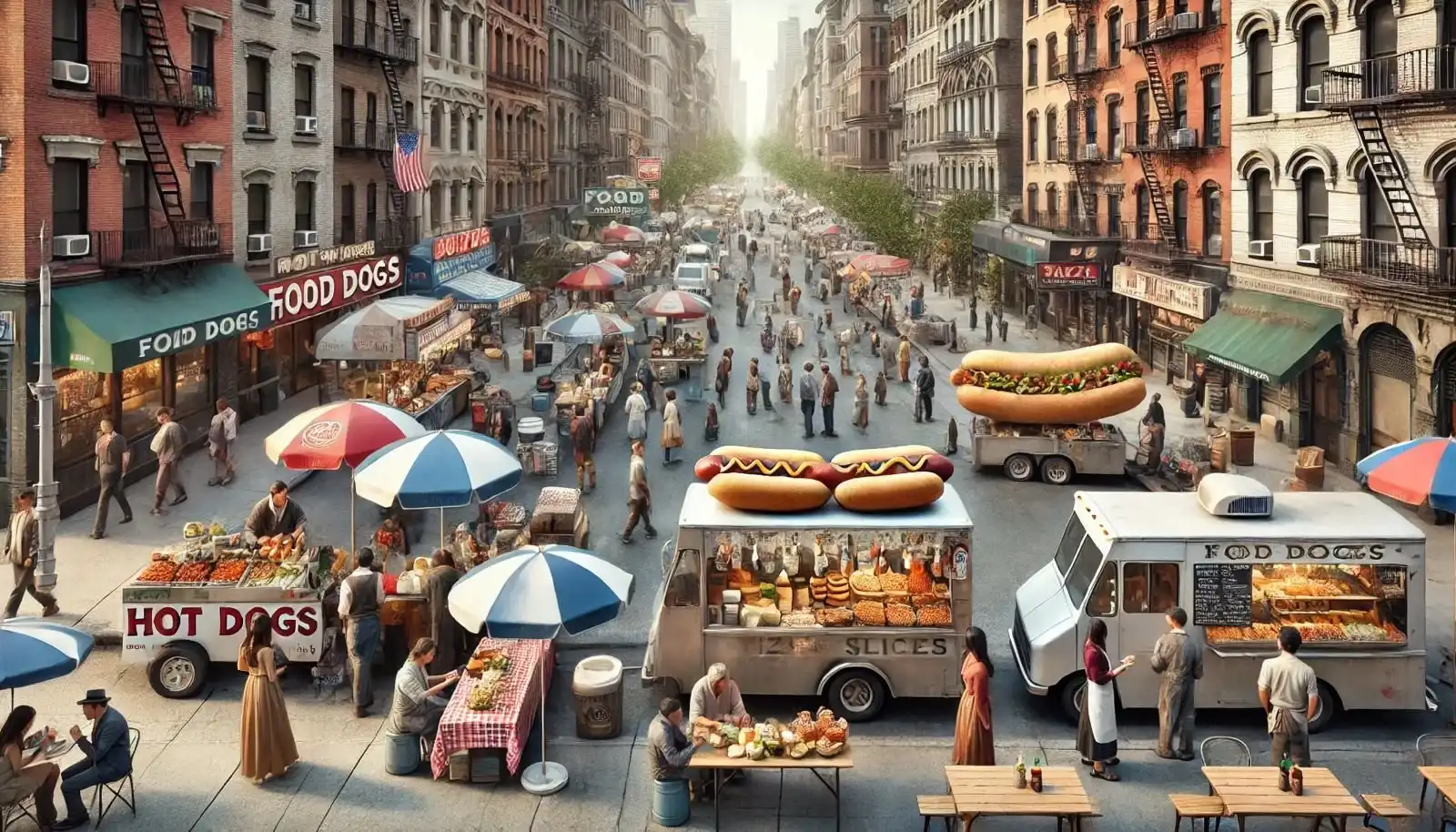
Close your eyes and think of New York City. What do you smell?
It's not just exhaust and concrete. It's the smoky aroma of chicken over rice. The sizzle of a hot dog on a steaming cart. The sweet scent of roasted nuts drifting through Central Park.
Street food is the heartbeat of New York's culinary scene. It's democratic, delicious, and available 24/7. While fine dining gets the Michelin stars, street food gets the real love—from construction workers, tourists, CEOs, and students alike.
This is the story of NYC's street food culture: the carts, the vendors, and the meals that fuel the city that never sleeps.
The Halal Guys: From Corner to Empire
53rd Street and 6th Avenue. Midtown Manhattan.
In 1990, two Egyptian immigrants started a hot dog cart. But when they noticed their Muslim customers wanted halal options, they switched gears. They began serving chicken and rice with their now-legendary white sauce and hot sauce.
The rest is history.
What started as a single cart became a global phenomenon. The Halal Guys now have locations across the US and internationally. But the original cart? Still there. Still serving. Still drawing lines around the block at 2 AM.
The Magic Formula:
- Tender, seasoned chicken
- Fluffy yellow rice
- The white sauce (a mayo-based mystery that fans obsess over)
- The hot sauce (deceptively spicy)
- All for under $10
It's not just food. It's a rite of passage.
🌭 Regional Varieties: Not All Carts Are Created Equal
New Yorkers know: location matters.
Hot Dogs: Brooklyn vs. Manhattan
- Brooklyn: Often grilled, with a snap to the casing. Toppings lean toward sauerkraut and spicy mustard. Think Nathan's Famous in Coney Island.
- Manhattan: Usually steamed, softer, topped with onions and ketchup. The classic "dirty water dog" from midtown carts.
Sauce Variations
Every cart has its secret. The halal world is divided between:
- White Sauce Camp: Creamy, tangy, addictive
- Red Sauce Camp: Spicy, vinegary, bold
- The Hybrid: Both, because why choose?
Some carts offer mango habanero, garlic sauce, or tamarind. The adventurous eater samples them all.
👨🍳 The Vendors: The Backbone of the Street
Behind every cart is a story.
Most vendors work 12-14 hour shifts , seven days a week. They brave freezing winters (standing outside for hours in sub-zero temps) and sweltering summers (cooking over grills in 90-degree heat). They navigate complex permit systems, rising costs, and the constant challenge of finding legal vending spots.
Meet the Reality:
- Many are immigrants building a better life for their families
- Some have been on the same corner for 20+ years
- They remember regulars by name and order
- They're the first responders of hunger, feeding the city when restaurants close
"People think it's just selling food," says one vendor on 42nd Street. "But we're part of the neighborhood. We see the same people every day. We're here for the late-night crowd, the early-morning workers, the tourists who need a quick bite. We're always here."
🧼 Safety & Hygiene: The Truth About Street Food
Let's address the elephant in the room: Is street food safe?
Yes. Here's why:
The Grading System
Just like restaurants, food carts are inspected by the NYC Department of Health and receive letter grades:
- A: Excellent (most carts)
- B: Good
- C: Needs improvement
Look for the grade card prominently displayed on the cart. Most reputable carts proudly show their A.
What to Watch For:
✅ The vendor uses gloves or utensils
✅ Food is kept at proper temperatures (hot food hot, cold food cold)
✅ The cart looks clean and organized
✅ There's a line (high turnover = fresh food)
❌ Avoid if: Food sits uncovered, the vendor handles money and food without washing hands, or the cart looks neglected.
The Reality: Street food is often safer than you think. The high volume means ingredients move quickly. And vendors have every incentive to keep things clean—their livelihood depends on it.
💵 Cash Only: The Digital Divide
Here's a reality check: Many carts are still cash-only.
While some have adopted Square readers or Venmo QR codes, plenty of vendors prefer cold, hard cash. Why?
- Transaction fees eat into thin profit margins
- Technology can fail
- Cash is faster during rush hour
Always carry small bills. A $20 bill for an $8 meal might be hard to break. Keep $1s and $5s handy for tipping, too.
Tipping Culture: It's not required, but $1-2 is appreciated, especially if the vendor is friendly or the line is long.
🌟 Final Thoughts: Respect the Cart
NYC street food isn't "lesser than" restaurant dining. It's different. It's accessible. It's real.
These vendors are artists, entrepreneurs, and essential workers. They feed the city when nothing else is open. They create community on street corners. They preserve culinary traditions and innovate on the fly.
So next time you're wandering the city at 3 AM, hungry and tired, remember: the cart on the corner isn't just selling food. It's offering comfort, sustenance, and a little piece of New York soul.
Grab a plate. Add extra white sauce. Thank the vendor. And enjoy.

Written by
Clara MercerContributing Author · Nightguide NYC
Clara Mercer covers New York through the lens of refinement, performance, and cultural taste, with a focus on theater, design, and the rituals of luxury.
View profile →