The Timeless Tables NYC's Historic Restaurants That Defined a Century
New York City is built on history, and nowhere is this more palpable than in its dining rooms. These restaurants have survived everything the last century threw at them. They deserve to survive the next one, too.
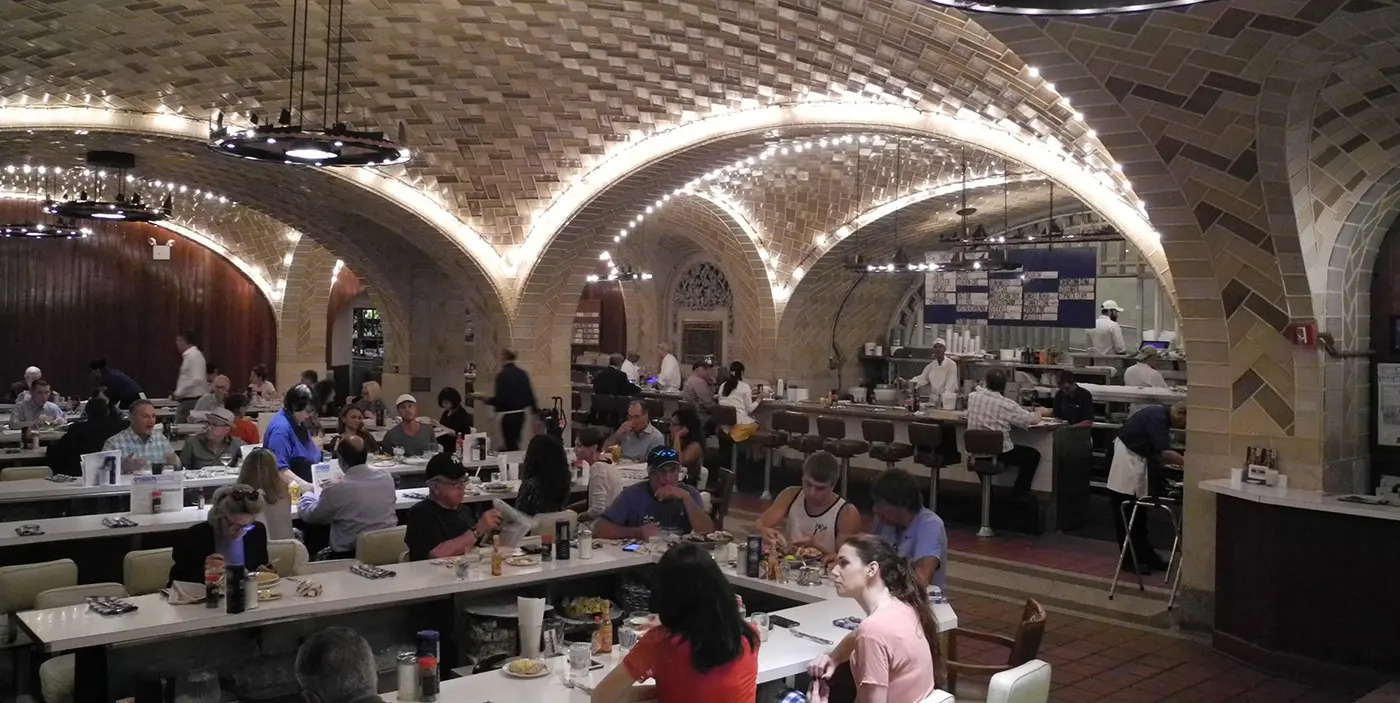
New York City changes faster than almost any place on Earth. Skyscrapers rise, neighborhoods gentrify, and trends come and go in the blink of an eye. But there are anchors in this chaotic sea—restaurants that have survived wars, depressions, and shifting palates to remain essential today.
This isn't just about dinner. It's about stepping into a time machine. It's about the clatter of silverware, the sawdust on the floor, and the waiters who have memorized orders since before you were born.
Welcome to the "Old Guard" of NYC cuisine. Here's why these historic tables still matter.
🏛️ The Icons: Legends of the Plate
These aren't just restaurants; they are landmarks.
Katz's Delicatessen (Lower East Side)
Established 1888
The Dish: The Pastrami Sandwich. Hand-carved, piled impossibly high, served on rye with mustard.
The Vibe: Chaotic, loud, and electric. The neon sign is iconic, but the real experience is the ticket system. Don't lose your ticket, or you'll pay for it at the register (literally).
The Ritual: You order at the counter, you tip the slicer, and you eat at a communal table where strangers become friends over pickles.
Peter Luger Steak House (Williamsburg, Brooklyn)
Established 1887
The Dish: The Porterhouse for Two. Served sizzling on a metal platter with their signature creamy steak sauce and German fried potatoes.
The Vibe: Austere and no-nonsense. Waiters in white jackets move with military precision. The wood paneling has absorbed over a century of smoke and conversation.
The Policy: Famous for being cash-only (or their own proprietary charge card/debit). It's part of the charm—and the challenge.
Keens Steakhouse (Midtown)
Established 1885
The Dish: The Mutton Chop. A massive, sweet, heritage breed chop that you won't find anywhere else.
The Vibe: Ceiling-high clay pipes. Yes, pipes. Thousands of them line the ceiling, each belonging to a famous former patron (from Babe Ruth to Teddy Roosevelt). It feels like a private club that forgot to close.
🕰️ The Atmosphere: Where Time Stands Still
Walk into these spots, and you'll notice what hasn't changed.
- Unchanged Decor: Peeling paint, vintage neon, and wooden booths that have seen generations of diners. There is no Instagram-friendly minimalism here; there is only patina.
- The Soundscape: The hum of conversation, the clang of the kitchen bell, the lack of background playlists. The food makes the noise.
- The Rituals: Whether it's tipping the maitre d' for a better table (a fading but lingering tradition) or navigating the cash-only policy at Luger, there are rules to follow. Learning them is part of the initiation.
🤝 The Human Element: Keepers of the Flame
Why do these places survive when trendy spots close after two years? The people.
We spoke with a veteran server who has worked in Midtown steakhouses for over 30 years. "You come here for the steak, but you come back for the feeling," he told us. "I know families who I served as children who are now bringing their own children. I know who likes the crust on the steak and who likes it rare. In a city that forgets everything, we remember."
These staff members aren't just employees; they are curators of history. They protect the recipes, enforce the traditions, and ensure that the experience remains consistent despite rising rents and modern competition.
🗽 Why It Matters: Preserving Cultural Identity
In an era of cookie-cutter franchises and ghost kitchens, historic restaurants are living museums .
- Cultural Anchors: Katz's tells the story of Jewish immigration on the Lower East Side. Peter Luger reflects the German heritage of Brooklyn. Keens embodies the golden age of Broadway and politics.
- Community Hubs: These are places where deals are struck, proposals happen, and generations gather.
- Resistance to Homogenization: Keeping these doors open is a fight against the sanitization of New York City. They remind us that this city is built on grit, flavor, and longevity.
🥂 Final Thoughts
So, next time you're looking for a meal, skip the new hype. Go where the history is. Pull up a chair at a timeless table.
Which historic NYC restaurant holds your best memory? Let us know in the comments! 👇

Written by
Clara MercerContributing Author · Nightguide NYC
Clara Mercer covers New York through the lens of refinement, performance, and cultural taste, with a focus on theater, design, and the rituals of luxury.
View profile →