Culture Alert: Major Museum Exhibitions, Festivals & Art Events You Can't Miss
Your essential guide to New York's spring and summer cultural landscape—from groundbreaking museum exhibitions to free outdoor festivals. Discover the shows, installations, and artistic moments defining the city's creative conversation right now.
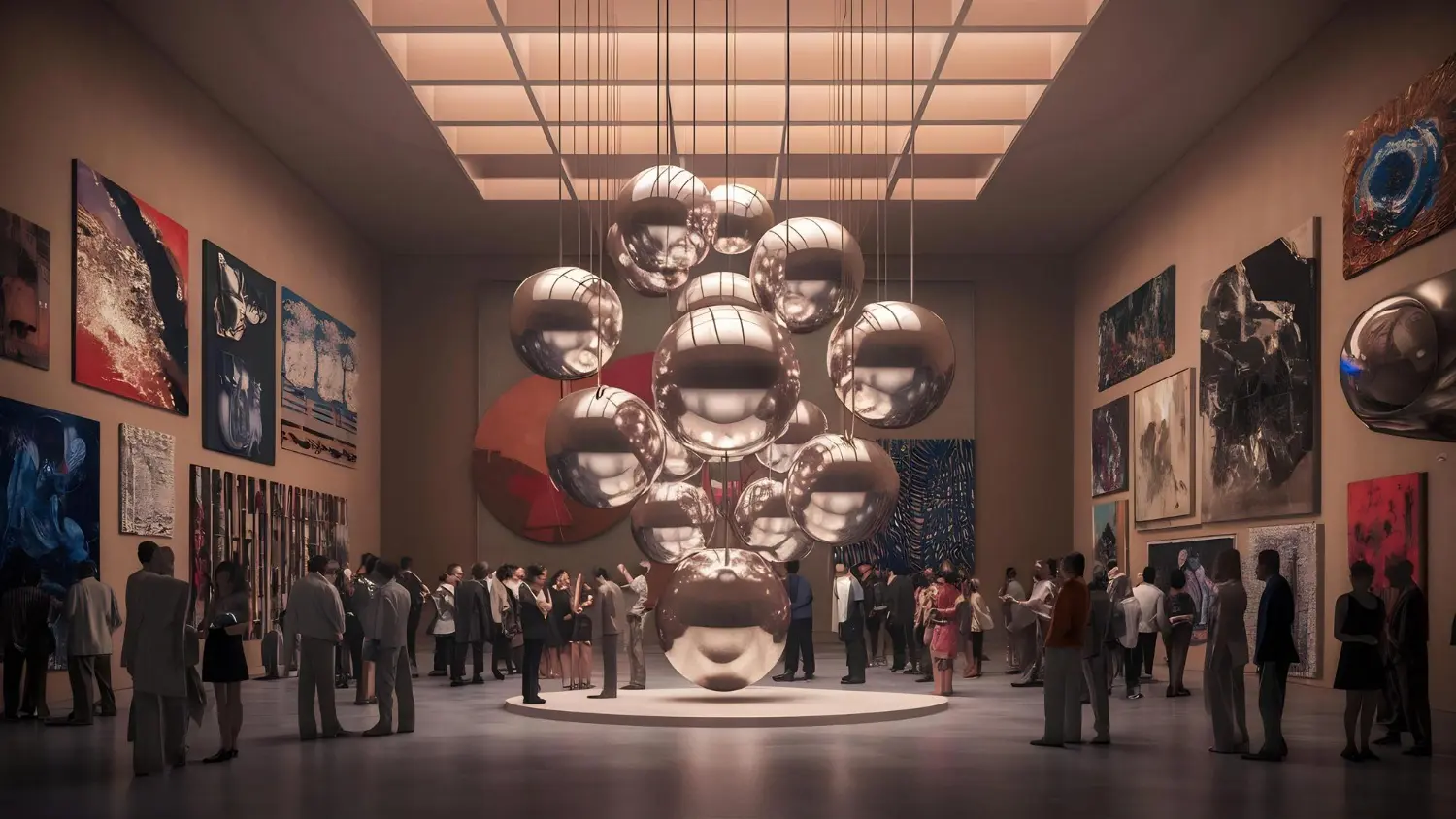
New York's cultural calendar doesn't just fill up—it overflows. Between blockbuster museum exhibitions, neighborhood gallery openings, and free outdoor festivals, the city offers more artistic experiences than any one person could possibly absorb. The challenge isn't finding culture; it's choosing which moments deserve your precious time and attention.
This spring, the cultural landscape is particularly rich. Major institutions are unveiling long-awaited retrospectives, public art is transforming transit hubs into galleries, and festival season is bringing world-class performances to parks across all five boroughs. Whether you're a seasoned culture vulture or casually curious, here's what's commanding attention right now.
Blockbuster Museum Exhibitions: The Must-Sees
The city's major museums are pulling out all the stops this season, with rare loans, career-spanning retrospectives, and provocative contemporary shows that are sparking conversation far beyond the art world.
At the Metropolitan Museum of Art , a groundbreaking exhibition exploring the intersections of fashion and social justice has extended through August due to popular demand. Featuring garments worn at pivotal moments in civil rights history alongside contemporary designer responses, the show demonstrates how clothing functions as both armor and statement.
MoMA is hosting a rare retrospective of a pioneering video artist whose work predicted our screen-saturated present. The exhibition includes newly restored pieces alongside immersive installations that feel startlingly prescient about social media and digital identity.
The Whitney Biennial has arrived, and with it, the inevitable debates about representation, aesthetics, and what constitutes "American art" in 2026. This year's curators have emphasized collaborative practices and indigenous perspectives, creating a show that feels both urgent and expansive.
Guggenheim visitors are experiencing a site-specific installation that transforms Frank Lloyd Wright's iconic spiral into a meditation on climate and time. The artist has used biodegradable materials that will subtly change throughout the exhibition's run, making each visit unique.
Insider ticketing tips:
- Timed entry is now standard at major museums—book 2-3 weeks in advance for weekend slots
- Member previews offer the best experience; consider day passes if you're visiting multiple institutions
- Free hours still exist: MoMA's Friday evenings (4-8pm), Met's suggested admission policy for NY residents
- Student discounts are widely available—always ask and bring ID
Festival Season Preview: Your Summer Cultural Roadmap
As the weather warms, New York's festival season transforms the city into a sprawling, open-air cultural venue. From film to jazz to multidisciplinary performances, these events democratize access to world-class art.
Tribeca Film Festival (June) returns with a hybrid model that honors its post-9/11 origins while embracing new forms of storytelling. This year's lineup emphasizes documentary work exploring urban life, immigrant experiences, and technological change. The festival's "Through Our Lens" program showcases emerging NYC filmmakers in intimate neighborhood venues.
New York Jazz Festival brings legendary names and rising stars to Randall's Island and venues across the city. The festival's commitment to jazz education means many performances include pre-show talks and masterclasses open to the public.
Lincoln Center Out of Doors (free, July-August) transforms the plaza into a celebration of global music, dance, and performance. This year's programming emphasizes diaspora communities and cross-cultural collaboration, with particular focus on Caribbean, South Asian, and West African artistic traditions.
SummerStage returns to parks across all five boroughs with its signature mix of emerging and established artists. The program's commitment to free, accessible culture means you can experience everything from indie rock to spoken word without spending a dime—though donations are encouraged.
Navigating crowded events like a pro:
- Arrive early for free events; many venues operate on first-come, first-served seating
- Download festival apps in advance for real-time schedule updates
- Pack light but smart: water, sunscreen, portable charger
- Research nearby food options; festival concessions are expensive and lines are long
- Consider weekday evening performances for smaller crowds
Public Art & Installations: Art Beyond Walls
New York's public art scene is experiencing a renaissance, with temporary installations transforming everyday spaces into sites of wonder, reflection, and conversation.
In Hudson Yards , a massive sculptural installation exploring themes of migration and belonging has become an unexpected gathering space. The artist, known for large-scale works that invite physical interaction, has created climbing structures and shaded seating areas that serve both aesthetic and functional purposes.
The subway system continues its transformation into a moving gallery through the MTA's Arts & Design program. New mosaic installations at recently renovated stations honor neighborhood histories while contemporary digital displays rotate works by emerging artists.
Times Square's latest digital art commission uses augmented reality to layer historical images over the present-day landscape, creating a dialogue between past and present that challenges the square's reputation as purely commercial space.
"Public art isn't decoration—it's a form of democratic discourse. When we place art in shared spaces, we're inviting everyone into the conversation, regardless of their relationship to traditional cultural institutions," noted the director of a major public art nonprofit during a recent installation unveiling.
Community impact matters: Many of this season's installations include programming—artist talks, workshops, performances—that extend the work's reach and create opportunities for deeper engagement.
Gallery District Updates: Beyond the Museums
While museums grab headlines, New York's gallery scene remains the lifeblood of the city's art ecosystem, where emerging voices are discovered and established artists experiment with new directions.
Chelsea continues to anchor the commercial gallery scene, with several major spaces launching ambitious spring exhibitions. Look for a photography collective's exploration of gentrification, a sculptor's meditation on labor and value, and a painter's bold new series responding to climate anxiety.
Lower East Side galleries are showcasing a new generation of artists working across disciplines, with particular emphasis on identity, technology, and urban experience. The neighborhood's raw energy and relative affordability (compared to Chelsea) continue to attract risk-taking curators and artists.
Bushwick remains the epicenter of experimental, artist-run spaces. First Friday gallery walks offer an accessible entry point, though the real magic happens in studio visits and pop-up exhibitions announced via Instagram. The neighborhood's collaborative spirit means you're as likely to encounter a performance piece as a traditional painting show.
Emerging artists to watch:
- A multimedia artist exploring AI and memory through interactive installations
- A painter whose vibrant abstractions reference Caribbean textile traditions
- A sculptor working with recycled materials to comment on consumer culture
- A photographer documenting disappearing NYC neighborhoods
Cultural Policy News: The Conversation Behind the Art
The art world doesn't exist in a vacuum, and this season's policy debates are shaping what gets made, shown, and seen.
Funding shifts at city and state levels are forcing smaller arts organizations to innovate or close. In response, coalitions of galleries, theaters, and museums are forming resource-sharing partnerships that could fundamentally reshape how culture is produced and sustained.
Accessibility initiatives are gaining momentum, with more institutions adopting pay-what-you-wish models, expanding free community programming, and partnering with organizations serving underrepresented populations. The question of who culture is for—and who gets to decide—is being asked more urgently than ever.
Debates over representation and censorship continue to play out in museum boardrooms and public forums. Recent controversies over exhibition content have sparked important conversations about artistic freedom, historical context, and institutional responsibility.
Digital & Hybrid Offerings: Culture Beyond Physical Spaces
The pandemic's legacy lives on in the digital infrastructure now embedded in New York's cultural institutions. What began as emergency adaptation has evolved into thoughtful integration of physical and digital experiences.
Virtual tours have moved beyond simple 360-degree walkthroughs to include curator commentary, artist interviews, and interactive elements that enhance rather than replace in-person visits.
Livestreamed performances from Lincoln Center, the Public Theater, and smaller venues have created new audiences who may never visit NYC but now engage regularly with its cultural output.
App-based experiences are enriching physical visits through augmented reality overlays, personalized audio guides, and social features that connect visitors with similar interests.
The hybrid model isn't just about access—it's about sustainability. Digital offerings create revenue streams that support free and low-cost physical programming, while also reducing the carbon footprint of culture consumption.
Your Cultural Action Plan
This week:
- Reserve timed entry tickets for that blockbuster exhibition before they sell out
- Check festival websites for early-bird passes and volunteer opportunities
- Follow your favorite galleries on Instagram for opening reception announcements
This month:
- Commit to one free outdoor event—SummerStage, Out of Doors, or a neighborhood festival
- Visit a gallery district you've never explored (Bushwick First Friday is perfect for this)
- Try one digital offering from an institution you can't visit in person
This season:
- Become a member of one cultural institution whose mission resonates with you
- Volunteer at a festival or community arts organization
- Have at least one conversation about art with someone outside your usual circle
Culture isn't a spectator sport—it's a conversation, a community, a way of seeing and being seen. New York offers unparalleled access to that conversation. The only question is: how will you participate?

Written by
Adrian ValeContributing Author · Nightguide NYC
A sharp observer of New York after dark, Adrian Vale writes about nightlife not as entertainment, but as a system of status, aesthetics, and social performance.
View profile →