The Glitch in the Grid
Last Tuesday, New York wasn't just dark—it was disconnected. A city-wide digital failure, 'The Glitch,' erased our screens and silenced our signals, forcing millions to navigate an analog world. What followed was not chaos, but an unexpected and beautiful rediscovery of human connection.
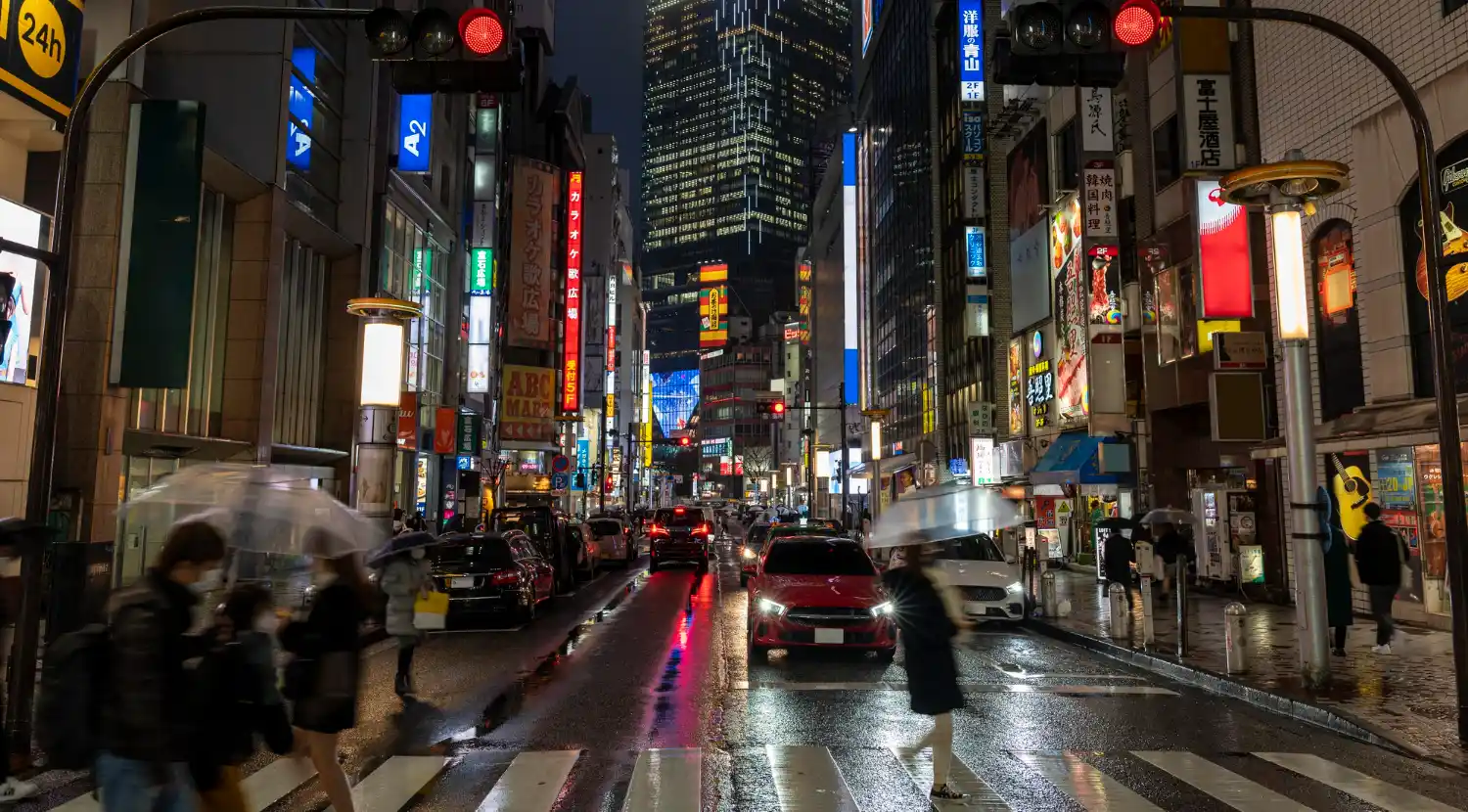
An Unscheduled Log-Off
It began not with a bang, but with a flicker. On a Tuesday night that felt like any other, the digital heartbeat of New York City skipped. It wasn't a blackout in the classic sense; the lights stayed on, the subways mostly ran. This was something stranger, more surgical. Across all five boroughs, the intricate web of data that holds our modern lives together simply... paused. Credit card readers went blank. GPS signals vanished into the ether. The endless scroll of social media feeds froze on a single, ghostly image. We were online, and then, without warning, we were not.
The initial wave was one of pure, unadulterated confusion. In the neon canyons of Times Square, the colossal screens were stuck, displaying a surreal digital collage of half-rendered ads and frozen news tickers. Tourists stood bewildered, their digital maps suddenly useless. In bars from the East Village to Harlem, bartenders awkwardly announced a return to a cash-only world, sending patrons on a futile hunt for functioning ATMs. The city's relentless rhythm, so dependent on seamless transactions and constant information flow, had hit a wall.
The Analog Renaissance
But then, something remarkable happened. As the digital noise died down, a different kind of signal began to emerge: the human one. Stripped of our pocket-sized portals, we were forced to look up, to engage. The frantic energy of the city didn't disappear; it transformed. It became softer, more acoustic, more immediate. People started talking to each other, not out of novelty, but necessity. 'Do you know how to get to the L train?' 'Does anyone have a light?' 'Is your phone working either?' The questions were simple, but they were a start.
This 'Glitch in the Grid,' as it was quickly dubbed, became an impromptu city-wide social experiment. It was a forced detox, and the withdrawal symptoms gave way to a strange euphoria. The city felt smaller, more intimate. For one night, New York felt like a neighborhood again. Without the crutch of technology, we were forced to rely on something far older and more resilient: each other.
Snapshots from an Unplugged City
The stories that trickled out in the following days painted a picture of a city rediscovering itself. These were just a few of the moments that defined the night:
- In a dimly lit Brooklyn cocktail bar, the POS system was dead. The owner started an honor system, scribbling IOUs on cocktail napkins, trusting the faces in the candlelight.
- A group of Juilliard students, finding themselves in a silenced Times Square, started an impromptu classical concert, their music a defiant, beautiful answer to the digital silence.
- On the Lower East Side, a chef wheeled his grill onto the sidewalk, cooking for anyone with cash, turning a technological failure into a spontaneous block party.
- Strangers on stalled subway cars between stations didn't retreat into their phones. They shared stories, passed around snacks, and used their phone flashlights to illuminate the car, creating a shared, temporary world.
As the systems flickered back to life around 3 a.m., a collective sigh of relief was felt across the city. The grid was stable. Order was restored. Yet, there was also a tinge of sadness. The return of the digital hum felt like an interruption, the end of a beautiful, fleeting dream. The Glitch was a powerful reminder that the most robust, fascinating, and resilient network in New York City isn't made of fiber optics and servers, but of the eight million souls who call it home.

Written by
Adrian ValeContributing Author · Nightguide NYC
A sharp observer of New York after dark, Adrian Vale writes about nightlife not as entertainment, but as a system of status, aesthetics, and social performance.
View profile →