The Performance Party: When Nightlife Meets Live Art, Burlesque & Immersive Theater
The performance party is more than a trend. It is a response to a cultural moment. People want experiences that engage multiple senses, that challenge expectations, and that create memories worth sharing.
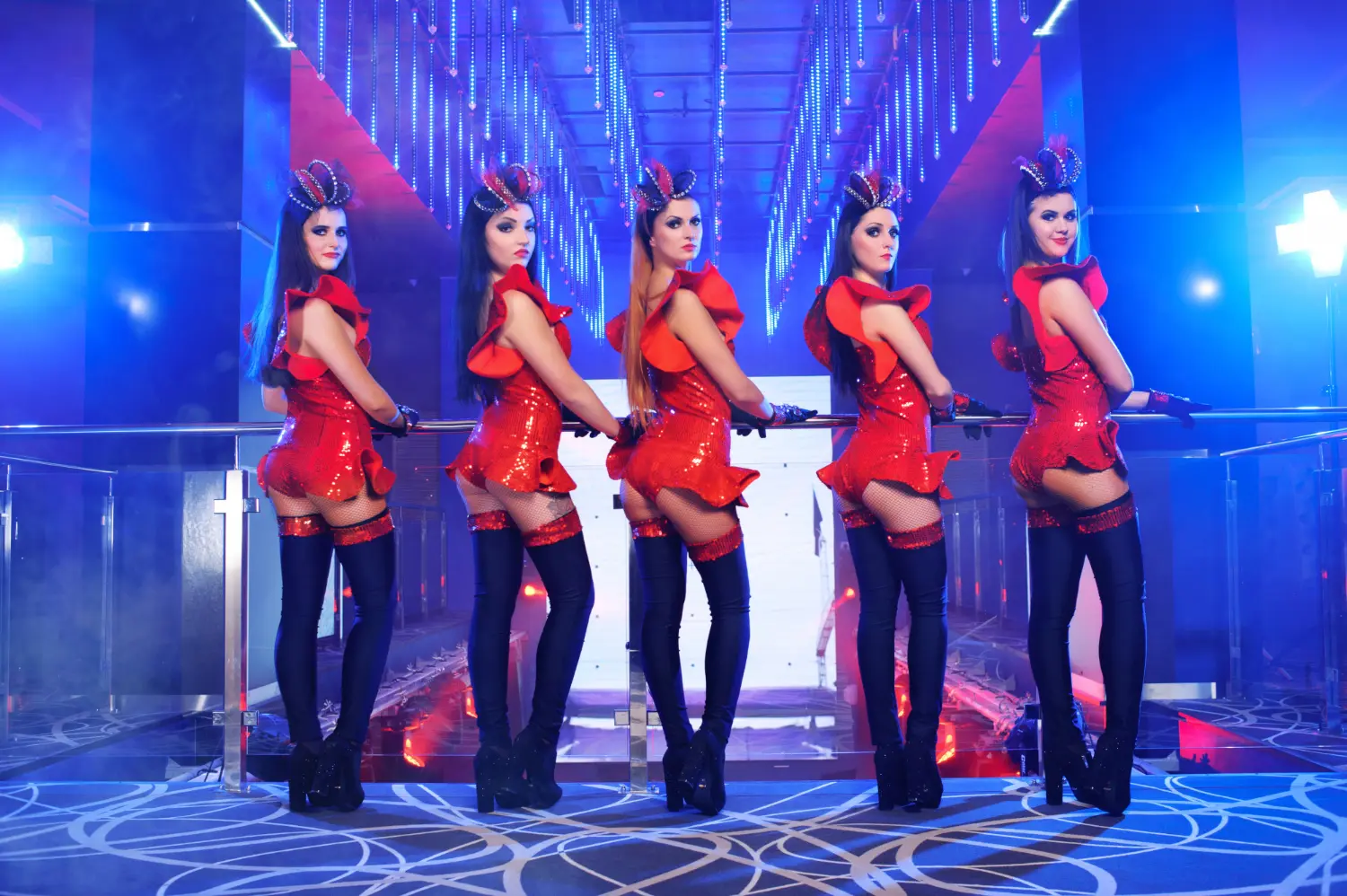
The line between clubbing and cabaret has never been blurrier. In 2026, New York City nightlife is not just about dancing. It is about witnessing. The most exciting venues are those where the DJ set is interrupted by a burlesque act, where dinner transforms into performance, and where the audience becomes part of the show.
This post highlights the spaces where live art, immersive theater, and nightlife collide. From The Box in Chelsea to Jean's Lafayette and Le Poisson Rouge in the West Village, these venues prove that the night can be both a party and a performance. Welcome to the era of the performance party.
The Resurgence of Cabaret: Why Live Performance Matters
In an age of digital saturation, audiences are craving the unpredictable. A recorded set can be streamed anywhere. A live performance can only be experienced in the moment.
Cabaret is resurging because it offers something algorithms cannot: surprise. You do not know what the performer will do next. You do not know if you will be pulled on stage. You do not know if the show will take a dark turn or a comedic one. This uncertainty creates electricity.
Venues are capitalizing on this desire for liveness. The Box features theatrical chaos that blends burlesque, circus, and avant-garde performance. Jean's Lafayette curates dinner shows that transition seamlessly into dance parties. Le Poisson Rouge hosts multimedia salons where musicians, visual artists, and performers share the same stage.
The appeal is simple. People want to feel something real. In a city that can feel transactional, live performance offers connection.
Scheduling the Night: From Dinner Sets to Dance Floors
The modern performance venue understands pacing. The night is structured to build energy, not peak too early.
Early evening (6 PM to 9 PM):
This is the dinner and show phase. Guests arrive for a meal while enjoying a curated performance. The lighting is warm. The volume is conversational. The focus is on the stage.
Transition period (9 PM to 11 PM):
The performances become more energetic. The DJ begins to mix in. The lighting shifts. Tables may be cleared to make room for dancing. This is the pivot point where the venue transforms.
Late night (11 PM to 2 AM):
The dance floor takes over. The performers may reappear in more interactive roles. The music is louder. The energy is high. The line between audience and artist dissolves.
This structure allows venues to cater to different crowds throughout the night. Early guests get a theatrical experience. Late guests get a party. Everyone leaves feeling like they witnessed something special.
Dress Codes Decoded: Sequins vs. Cool
Performance venues often have dress codes, but they are not always clear. Here is how to navigate them.
The Box:
This is a high-glam environment. Sequins, leather, and bold statements are encouraged. Think theatrical, not casual. Avoid jeans and sneakers unless they are designer and intentional. The door staff are looking for guests who understand the assignment.
Jean's Lafayette:
Smart casual with a twist. You can wear a nice dress or tailored pants, but do not be afraid to add a statement piece. A metallic jacket, a bold lip, or unique accessories fit the vibe. The crowd is fashionable but not rigid.
Le Poisson Rouge:
Keep it cool. This venue attracts a creative, artsy crowd. Vintage finds, band tees, and comfortable shoes work well. The focus is on the art, not the outfit. Dress to enjoy the experience, not to impress the door.
General rule:
When in doubt, elevate one element. If you are wearing casual clothes, add a striking accessory. If you are dressed up, keep your shoes comfortable for dancing. The goal is to feel confident, not constrained.
Ticketing Strategies: Reservations, Minimums, and Walk-Ins
Getting into performance venues requires planning. Here is how to secure your spot.
Reservations are essential for dinner shows. Venues like Jean's Lafayette require advance booking, often weeks ahead for weekend dates. Table reservations at The Box come with minimum spend requirements, which can range from a few hundred to over a thousand dollars depending on location and night.
Walk-in policies vary. Le Poisson Rouge often has general admission tickets available at the door, but popular shows sell out. Arriving early increases your chances. For venues with performance elements, showing up before the show starts is key. Once the performance begins, entry may be restricted to avoid disrupting the artists.
Membership and newsletters:
Some venues offer priority access to members. Signing up for email lists gives you early notice of ticket releases. Follow venues on social media for last-minute availability or cancellations.
Budget tips:
- Look for early bird pricing on tickets.
- Consider weekday shows, which are often less expensive.
- Sit at the bar or in general admission areas to avoid table minimums.
- Share a table with a group to split costs.
Spotlight on Performers: Redefining Art in 2026
The talent driving this movement is as diverse as the city itself. These performers are redefining burlesque, drag, and immersive art.
Burlesque reimagined:
Artists like Lila Von Scream and Dita Von Teese continue to push the genre forward. Modern burlesque is inclusive, body-positive, and politically charged. It is not just about tease. It is about storytelling, empowerment, and spectacle.
Drag evolution:
Drag in 2026 extends beyond the stage. Performers like Jupiter Jim and Sasha Velor blend drag with multimedia art, live painting, and audience interaction. The drag shows at performance venues are often more experimental than traditional club nights.
Immersive artists:
Collectives like Punchdrunk and Sleep No More alumni are bringing theatrical immersion to nightlife. Guests move through spaces, follow characters, and influence the narrative. The line between spectator and participant is intentionally blurred.
Musical hybrids:
Artists who combine live instrumentation with electronic production are thriving. Think of a string quartet playing over a house beat, or a jazz vocalist improvising with a DJ. These collaborations create unique moments that cannot be replicated.
Following these performers on social media is the best way to discover where they will appear next. They often announce pop-up shows or secret performances to their followers first.
Final Thoughts
New York City has always been a stage. In 2026, the stage is expanding. The club is becoming a theater. The audience is becoming a cast. And the night is becoming art.
So dress for the part. Book your table. Arrive with curiosity. And let the performance begin.

Written by
Clara MercerContributing Author · Nightguide NYC
Clara Mercer covers New York through the lens of refinement, performance, and cultural taste, with a focus on theater, design, and the rituals of luxury.
View profile →